
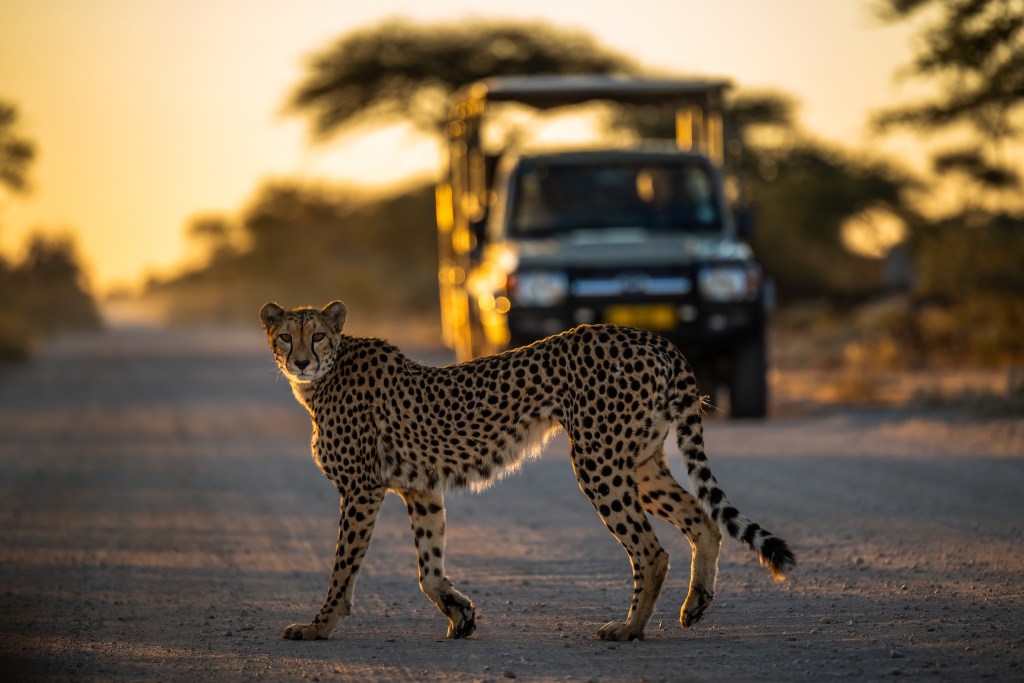
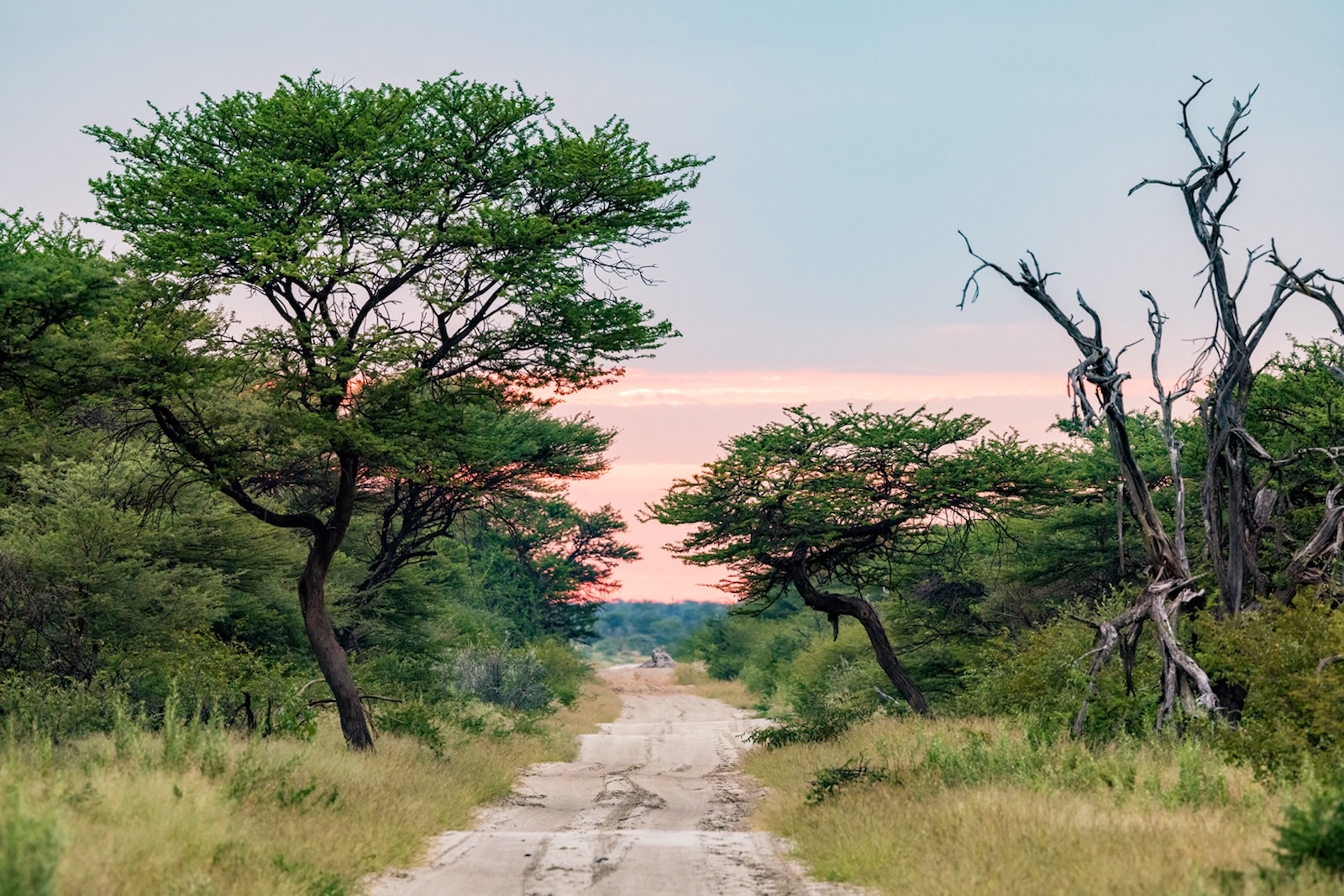
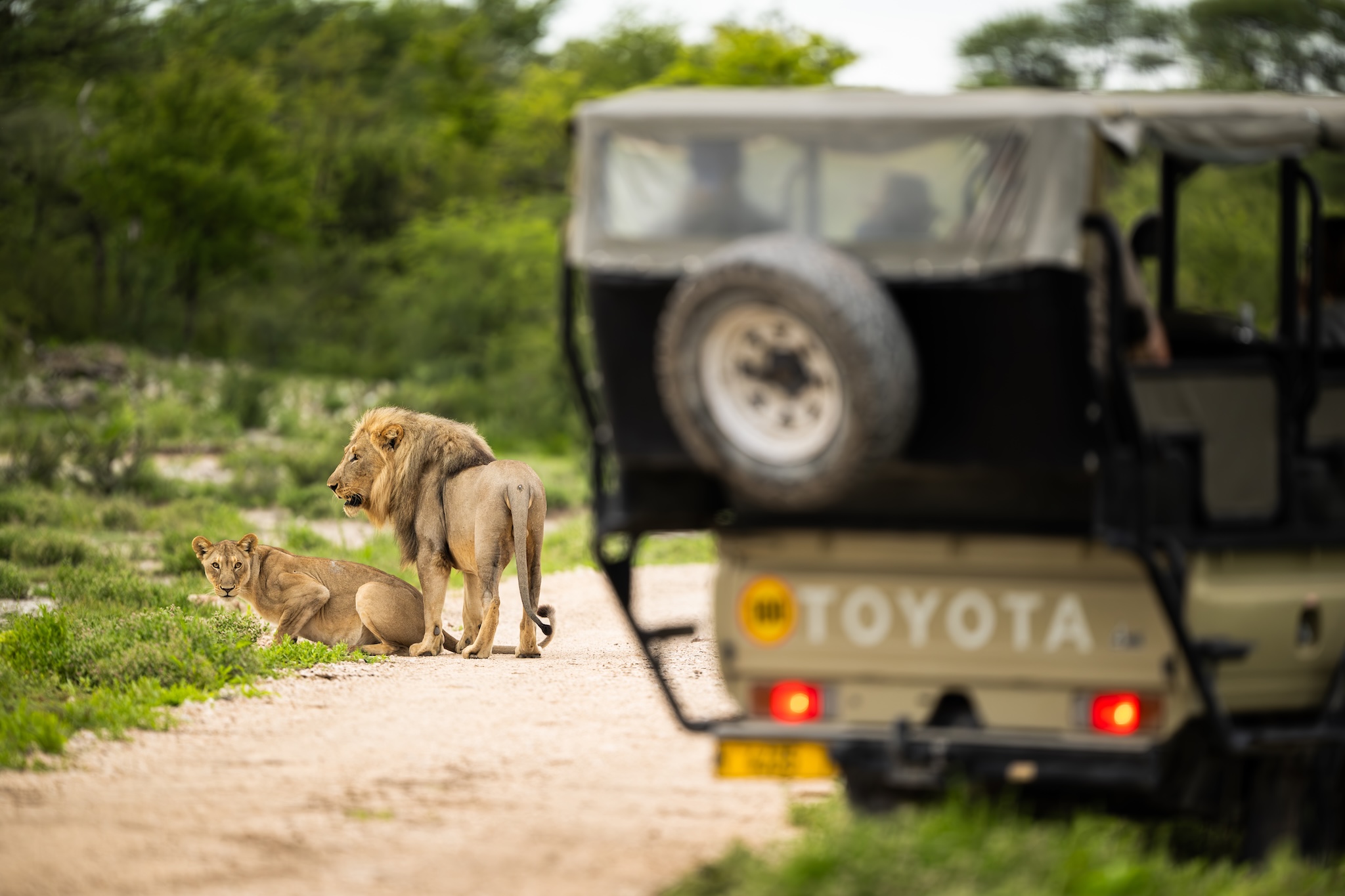
Namibia stands apart from its East African neighbours for one important reason: space. With one of the lowest population densities in the world, vast tracts of wilderness remain largely untouched. Fewer people and fewer vehicles mean less pressure on wildlife and habitats. For safari-goers, this translates into encounters that feel private, unhurried, and respectful. With the lowest population density in the region, there is less human pressure on wildlife habitats.
This means:
- Fewer vehicles at sightings.
- More intimate wildlife encounters.
- A safari that feels authentic and respectful.
By choosing a smaller, less-traveled country like Namibia, guests also support a tourism model that prioritizes sustainability over mass volume. Each visit becomes part of a story of responsible travel—one that benefits both wildlife and local communities.
Onguma Safari Camps: Safaris with Integrity
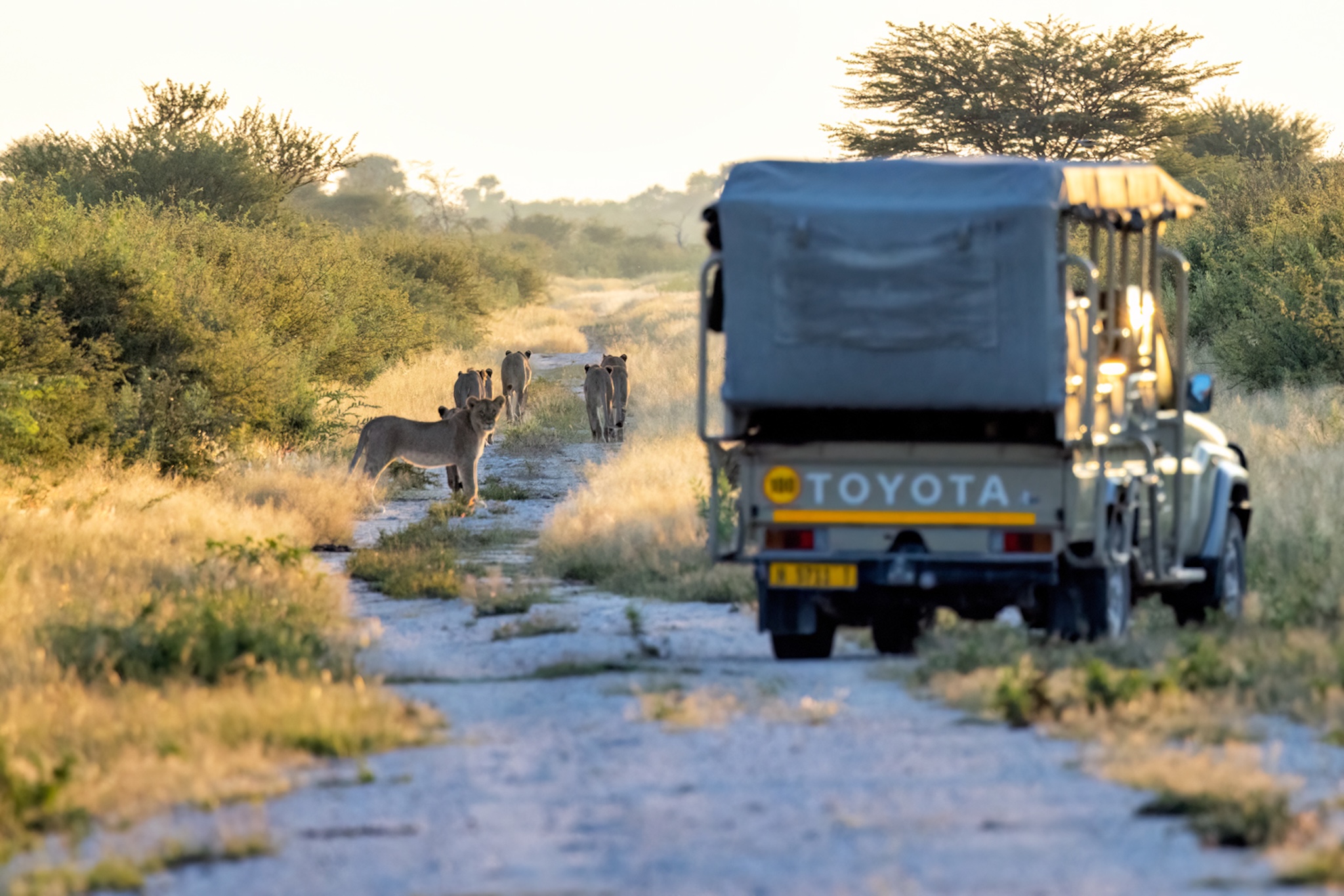
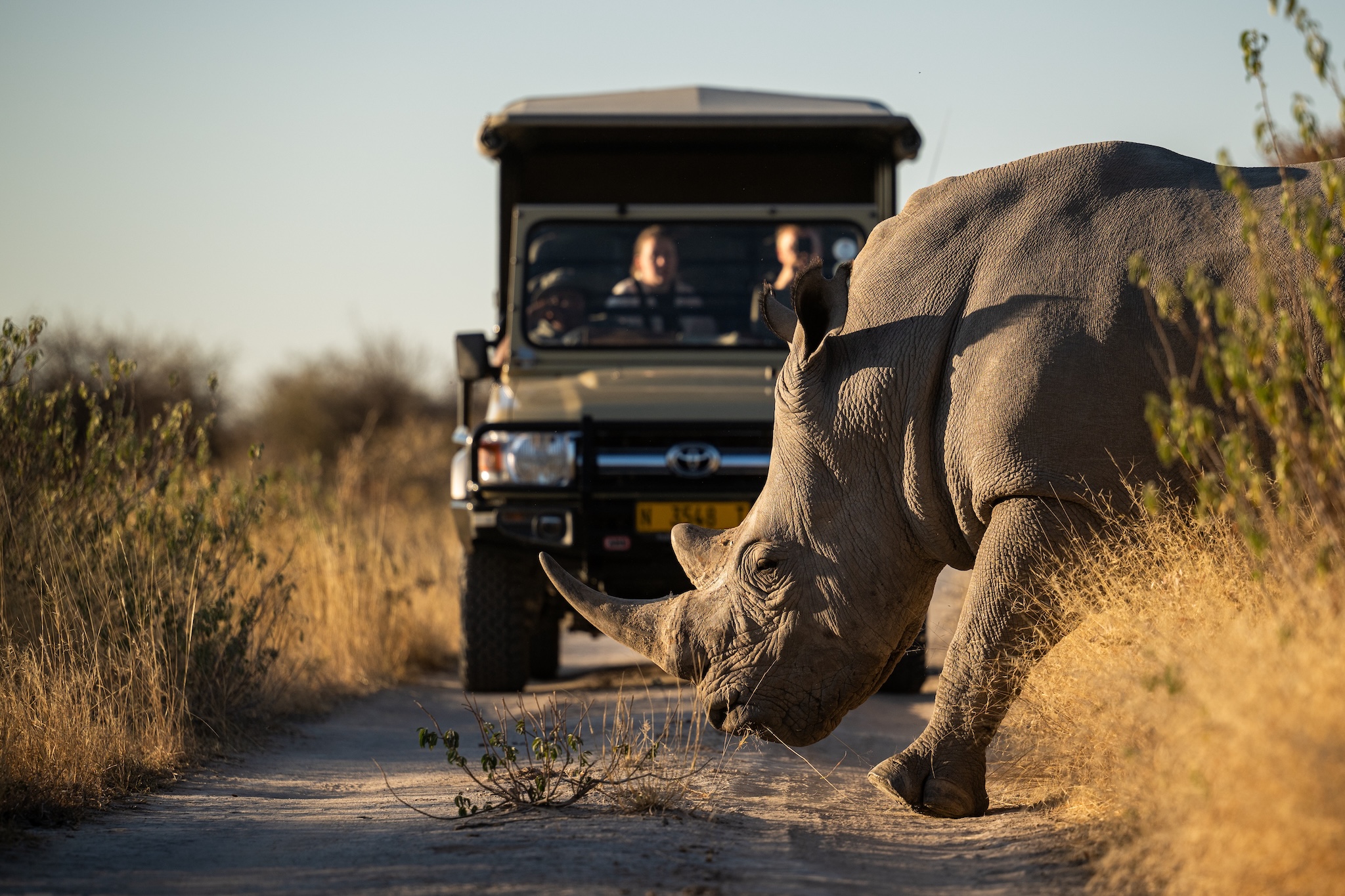
Located on the edge of Etosha National Park, Onguma Safari Camps embodies this ethos. As a privately owned nature reserve, Onguma has the ability to carefully regulate guest numbers and vehicle movements. A key policy is limiting the number of cars at any wildlife sighting, ensuring animals are not stressed and guests can connect with nature in a more meaningful way.
This approach creates a safari that is intimate and immersive, rather than rushed or intrusive. It also reinforces Onguma’s guiding philosophy: to observe wildlife on its terms, without forcing interactions or prioritizing spectacle over ethics.
Why is Ethical Guiding so important?
At the heart of this philosophy is Onguma’s commitment to guide training. Safari guides are the storytellers and custodians of the bush—how they interpret, lead, and manage sightings shapes the entire guest experience. Onguma invests in continuous development, working with leading wilderness specialist Alan McSmith to refine skills, deepen bush knowledge, and strengthen ethical decision-making in the field.
Onguma trains its guides not only in advanced ecology but also in ethical practices:
- Avoiding pressure on wildlife.
- Reading animal behaviour and responding responsibly.
- Creating meaningful, story-driven guest experiences that go beyond “big five” checklists.
Through this training, guides learn not only advanced ecological insights but also the subtler practices of presence, patience, and respect—values that safeguard both the animals and the authenticity of the safari experience.


A Better Way to Travel
For travelers concerned about the impact of their safari, the choice is clear. Visiting Namibia, and specifically Onguma Safari Camps, means choosing:
- Fewer vehicles and less intrusion at sightings
- Guides trained in ethical practices
- A private reserve model that balances conservation and tourism
- A destination with natural capacity limits, not overcrowded attractions
In a world where safari destinations face growing pressures, Onguma offers an alternative that is both responsible and enriching. Guests leave not only with memorable encounters but also with the assurance that their presence has contributed to a model of tourism that respects Africa’s wild places and the creatures that call them home.