
About Us
- Home
- About Us
About the Onguma Nature Reserve
In the Herero language, Onguma means “the place you don’t want to leave”. It is a name that was given to this landscape long before there were camps here, and one that guests tend to understand by the end of their first full day.
Onguma Nature Reserve spans 35,970 hectares on the eastern boundary of Etosha National Park in northern Namibia. It is a private wilderness of open savannah, ancient leadwood forest, dry riverbeds, and waterholes that draw wildlife through the day and deep into the night. Eight accommodation units, from the ultra-exclusive four-suite Camp Kala to family camps, a dedicated walking safari experience, and two premium campsites, sit within this landscape and draw from it entirely. The Von Lindequist Gate, one of Etosha’s most sought-after entrances and the closest access point to the Etosha Pan, is minutes away. Proudly family-owned and managed, Onguma is not a corporate entity. It is an authentic, intimate African experience built by people who care deeply about this land and everyone who visits it.
A Reserve, Not Just a Destination
Onguma is a working conservation reserve. That distinction matters. The wildlife guests encounter on drives and walks exists here because the reserve actively protects it.
Through a dedicated Anti-Poaching Unit operating 24 hours a day, 365 days a year, through annual game counts and veterinary interventions, through camera traps at more than 22 waterholes monitoring wildlife movements, and through a formal partnership with Namibia’s Ministry of Environment, Forestry and Tourism as an official Black Rhino Custodian since 2003.
Every guest stay contributes directly to this work through Onguma’s Conservation Levy, which funds anti-poaching operations, habitat management, wildlife monitoring, and ecological research. As Onguma Field Guide Liberty puts it: “Your stay here is not just about beautiful accommodation and great meals. You are making a difference while being on holiday.”

The Wildlife
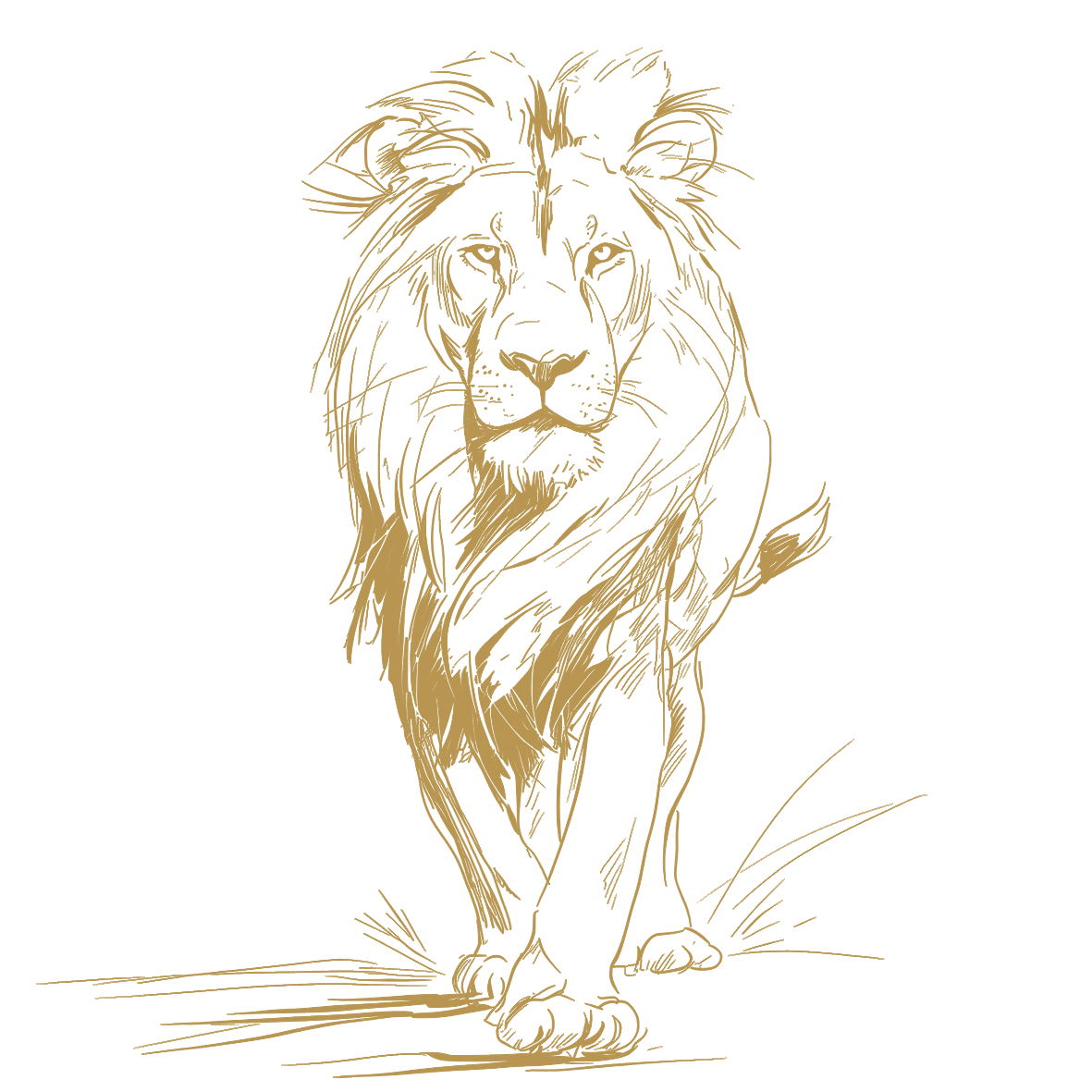
Onguma’s reserve is home to more than 30 mammal species across a landscape of ecological diversity: savannah, bushveld, seasonal dry watercourses known locally as Omuramba, dry pans and three ancient riverbeds that have shaped wildlife movement across this terrain for centuries. Lion and cheetah are encountered regularly on the reserve, where strict low-volume vehicle regulations mean sightings are private and taken entirely at the animals’ pace. Black and white rhino, leopard, elephant, giraffe, and a wide variety of plains game roam freely, and the reserve’s white-backed vulture colony is one of the largest breeding colonies of its kind in Namibia.
Between the reserve and Etosha National Park, guests have access to four of the Big Five alongside the full breadth of wildlife that makes this corner of Namibia one of the most renowned safari destinations on the continent. Wildlife sightings can never be guaranteed, but our guides spend most of their days in the field and have an exceptional understanding of animal movements, habitats, and seasonal behaviour.
Bordering the eastern boundary of Etosha National Park, Onguma Nature Reserve stretches across, open plains, dry riverbeds, ancient leadwood trees, and waterholes that draw wildlife through the day and deep into the night.
The People
Onguma’s guides are trained under Alan McSmith, one of the most respected figures in African walking safaris. Many of them grew up in this part of Namibia, in communities with deep cultural roots in this landscape, and several share a descent that connects directly to the San people who moved through this terrain for thousands of years before it was anything else. That knowledge is not academic. It is lived, and it shapes every drive and walk in ways that are genuinely difficult to replicate elsewhere.
The reserve’s broader team, from the staff at camp to the rangers of the Anti-Poaching Unit, are drawn largely from surrounding communities. Reserve Manager Pieter van den Berg describes the thinking behind this directly: “Just paying a decent salary makes a big difference. There is money to feed their children, build a house, and send their kids to school. At the same time, they want to protect this place because they know it is feeding their families.”
Conservation and community are not separate programmes at Onguma. They are the same programme, approached from different angles.
The Oshivelo Farming Project
Conservation at Onguma extends beyond the reserve fence. The Oshivelo Farming project, founded in August 2012 in partnership with Onguma, is a 500-hectare commercial vegetable farm located on the borders of Etosha, Oshivelo township, and the reserve. It currently employs 180 people on a permanent basis, of whom 80% are women, with a further 100 employed seasonally.
It is one of the top five vegetable producers in Namibia, and one of the most tangible expressions of what a conservation reserve can mean for the people who live alongside it.
Recognition
Onguma’s work, both in conservation and in hospitality, has been recognised across a number of international platforms:
A Day In The Life Of The Onguma Reserve – Wildlife Conservation Film, 2024 SILVER
Key Takeaways
Onguma Nature Reserve spans 35,970 hectares on the eastern boundary of Etosha National Park, minutes from the Von Lindequist Gate at Namutoni.
The reserve is an official Black Rhino Custodian in formal partnership with Namibia’s Ministry of Environment, Forestry and Tourism, a commitment in place since 2003.
A 24-hour Anti-Poaching Unit, camera traps at 22 waterholes, annual game counts, and a compulsory Conservation Levy on all guest stays fund active wildlife protection on the reserve.
Guides are trained under Allan McSmith and many grew up in this part of Namibia, with cultural roots that connect directly to the San people who have called this landscape home for thousands of years.
The Oshivelo Farming project, founded in 2012 in partnership with Onguma, employs 180 permanent staff and is one of the top five vegetable producers in Namibia.
Onguma is proudly family-owned and managed: authentic, intimate, and unapologetically African.